

Future Charging Solutions · Clubs & Venues
EV charging for
clubs & venues.
More value in
every visit.
Independent EV charging design, supply and installation for RSLs, bowling clubs, golf clubs, restaurants and entertainment venues across Sydney and NSW.
Your venue. Your members. Technology selected for your needs.
Make your car park part of the experience
Let visitors recharge
while they enjoy your venue.
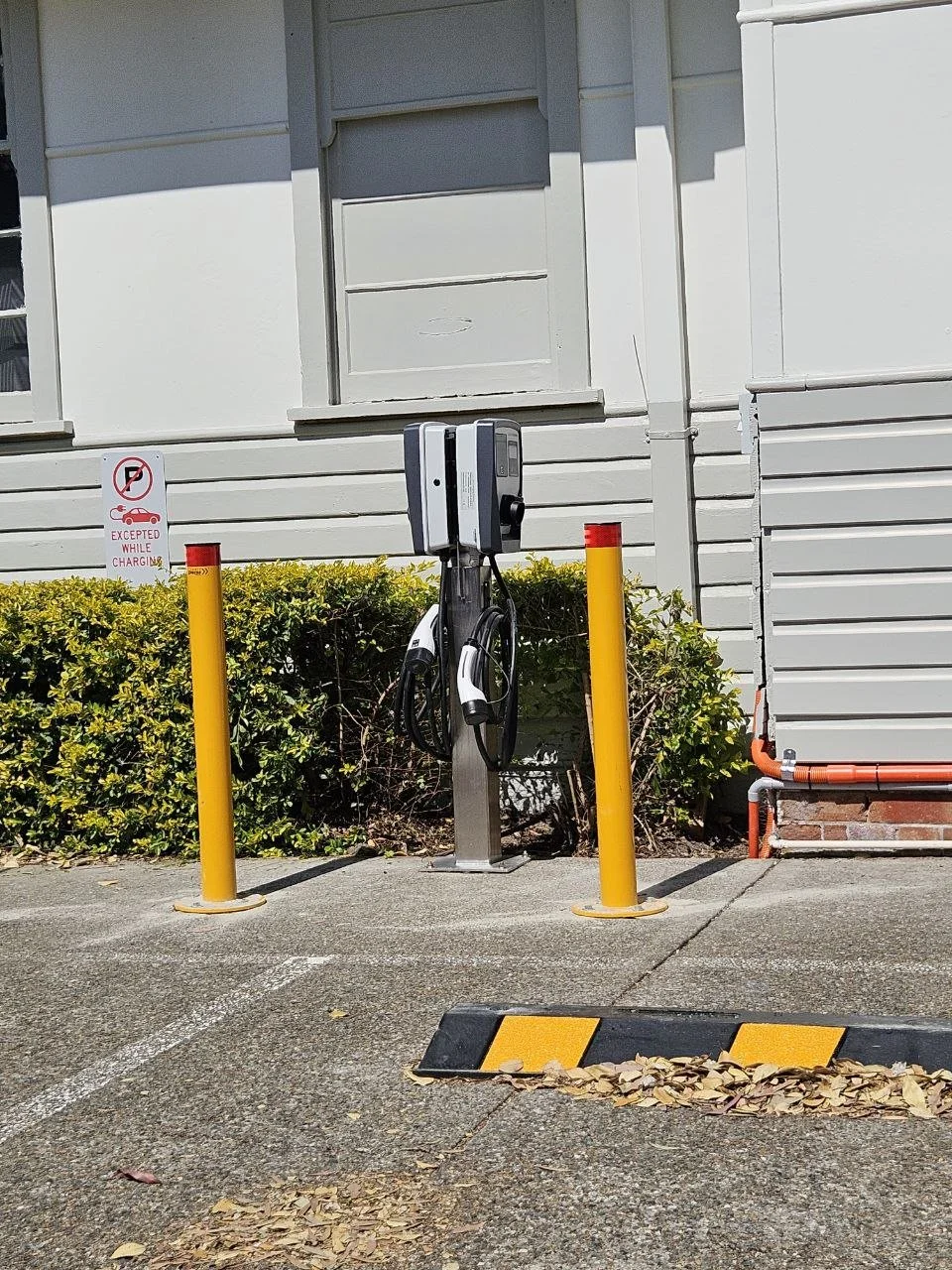
Whether it is a round of golf, lunch with friends, a show or an evening at the club, time parked can become useful charging time. A well-planned EV charging service gives members and guests another reason to choose your venue.
We help you balance customer convenience with electrical capacity, operating costs and the way your car park works. Our advice is independent of any single charger brand.
A useful member amenity
Offer charging that fits normal visits, with clear prices, simple instructions and convenient parking.
A more visible destination
For public chargers, publish accurate access hours, connector details and pricing so drivers can plan a visit.
A measured investment
Track charging use and costs, then expand when demand supports it. Revenue depends on utilisation and your operating model.
Match the charger to the visit
Charging options for your club or venue.
The best starting point is how people use your site. Select a setting below to explore what to assess.
RSLs, bowling clubs, golf clubs & longer visits
Assess AC destination charging. Dedicated 7–22 kW AC chargers can provide a useful top-up during a meal, sporting activity or event. Select the number of bays and power level around actual demand and available supply. The vehicle’s onboard charger and site controls determine the charging rate.
Restaurants, cafes & venues with shorter visits
Compare AC with appropriately sized DC. A faster top-up may be valuable, but higher power brings additional equipment and connection costs. Assess visit length, traffic, nearby charging and the likely number of paid sessions before choosing DC.
Entertainment precincts, event venues & public charging hubs
Plan for event peaks and everyday use. Review arrival patterns, queueing, accessible routes and access outside event hours. A mixed AC/DC approach or a charging-operator partnership may suit some sites, subject to feasibility and commercial terms.
Charging speeds vary with the vehicle, battery conditions, electrical capacity and load-management settings.
Simple for drivers. Clear for your team.
Choose how visitors access and pay.
Complimentary charging
Include charging as an amenity with a defined allowance or fair-use policy. Decide who qualifies and how your team checks access.
The venue covers the agreed energy and operating costs.
Paid charging
Recover costs through a clear tariff. Depending on the selected system, drivers can use tap-and-pay, a payment webpage, an app or RFID access.
Show charging fees, parking rules and any overstay charges before a session starts.
Member & visitor rates
Where supported, combine member discounts with standard visitor pricing, or separate staff and public access.
Confirm platform capabilities and integration costs before promising membership-linked charging.
Payment, billing and tariff features depend on the chosen hardware, software and service agreements.
Explore smart energy management →Build the business case first
A practical plan for your car park.
Installation costs depend on the distance to power, switchboard capacity, trenching, protection, communications and the chargers selected. An assessment helps identify these costs before you commit.
Explore a site assessmentPower, solar & load management
Review peak demand from kitchens, air conditioning, lighting and other equipment. Compatible load management can allocate available power to charging, while solar integration may suit daytime use.
Parking, access & visitor safety
Plan cable reach, bay dimensions, pedestrian routes, lighting, signage and charger protection. Consider opening hours, event traffic, accessible use and staff procedures.
Ongoing costs & responsibilities
Include electricity tariffs, software subscriptions, payment processing, connectivity, maintenance and support. Agree who owns the equipment, sets prices and handles faults or customer enquiries.
NSW grants & commercial pathways
Funding: know what is available.
We checked the relevant NSW programs on 22 October 2026. The two grant rounds below are closed. A site-host expression of interest is a separate pathway to explore with a charging operator.
Destination charging grants
The NSW destination charging program supported visitor destinations in regional NSW. It is currently closed to applications.
Check NSW program status ↗Fast charging grants
Round 4 applications are closed. This program focuses on public fast-charging infrastructure and specified locations and requirements.
Read the official program ↗Explore hosting a charger
NSW businesses and landowners can register interest in hosting public charging. Approved operators can review sites and may contact suitable hosts.
This is not a grant or a promise of funding or installation.
Explore the NSW host pathway ↗Program status and eligibility can change. Confirm current guidelines before making a funding decision. Site-host commercial agreements are negotiated with the operator.
Compare ownership, finance and operator models.
We can help you compare outright purchase, staged installation, finance and suitable charging-as-a-service or operator arrangements. Review contract length, public-access obligations, pricing control, maintenance and end-of-term ownership. Availability and terms depend on your site.
Explore finance and ownership options →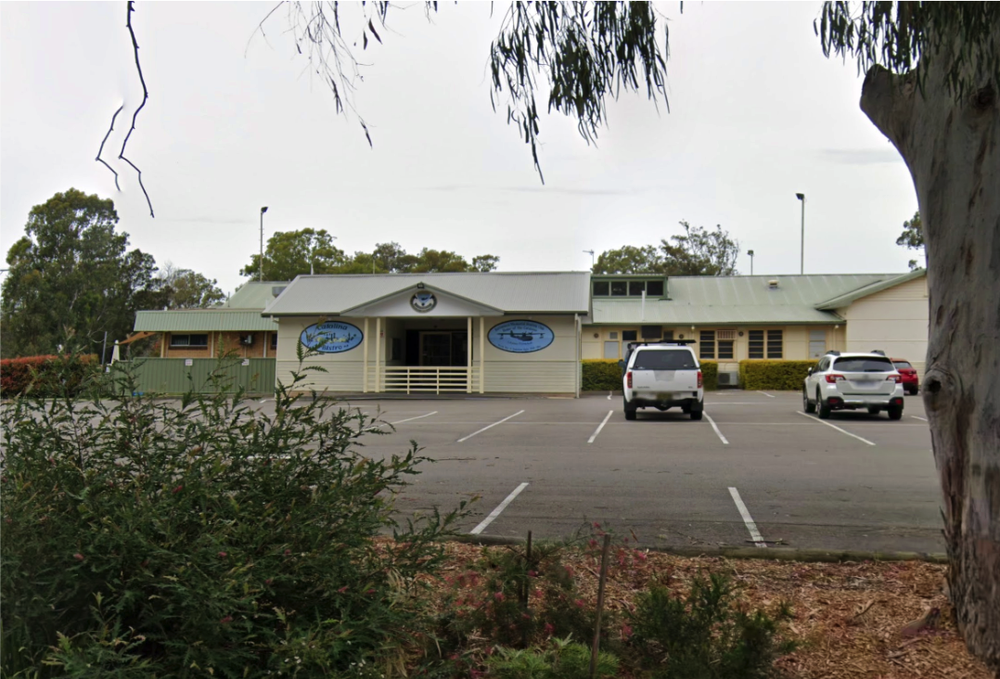
An FCS club project
Rathmines Bowling Club.
Future Charging Solutions delivered two 22 kW chargers with dynamic load management and smart billing. The project integrated charging with the club’s existing electrical infrastructure and on-site solar.
AC chargersSmart billing
Public accessDynamic
Load management
It is an example of why a venue-wide assessment matters: charging must work alongside the building’s existing demand.
Explore the Rathmines project →One team, from planning to support
How we deliver your charging project.
Understand
Discuss your venue, visitors, budget, access and future plans.
Assess & design
Review capacity and parking, compare equipment and define the scope.
Install & commission
Coordinate installation, testing and configuration around venue operations.
Handover & support
Provide operating guidance and agree monitoring and maintenance arrangements.
Questions from venue managers
Club and venue EV charging FAQs.
How many EV chargers should a club install?
Start with member and visitor demand, typical parking time and available electrical capacity. A small first stage may suit your venue, with cable routes and switchboard space planned for expansion. Monitor usage before adding more bays.
Are AC or DC chargers better for clubs and venues?
AC destination charging is often a practical starting point for meals, golf, sport and events where vehicles stay parked for several hours. DC may suit shorter visits or a public charging hub. Assess utilisation, connection costs and power availability before selecting a charger.
Can members and visitors pay different charging rates?
Some charging platforms support user groups, discounted tariffs and access controls. Confirm the required member identification method, payment options and any integration with your membership system before selecting equipment.
Will EV chargers overload our electrical supply?
A site assessment checks existing demand and available capacity. Compatible dynamic load management can adjust charging as the building’s other loads change. It does not create extra capacity; charging may slow down when demand is high, and some sites will still need upgrades.
Are grants available for EV charging at NSW clubs?
As checked on 22 October 2026, the NSW destination charging grant and fast-charging Round 4 are closed. The NSW site-host EOI remains a pathway for connecting suitable sites with charging operators; it is not a grant or a guarantee of funding. Check the official links above for updates.
Can solar power help with venue charging?
Where the equipment and controls are compatible, daytime charging can use available on-site solar generation. Assess your generation profile, other loads and visitor charging times. Solar availability varies and grid electricity may still be needed.
What approvals and operating arrangements should we plan for?
Confirm landowner or landlord consent, your venue’s internal approvals, any strata requirements where applicable, and site-specific planning and network requirements. Agree on bay access, pricing, maintenance, customer support and equipment ownership before installation.
What happens after installation?
We commission the agreed system and provide operating guidance. Discuss monitoring, preventative maintenance, software fees, payment processing and a clear support contact so staff know how to manage day-to-day charging.
Related insights
Plan your next step with confidence.
Funding & ownership
Finding the right funding model.
Compare the commercial approaches available for property and business charging.
Read the guide →Hospitality lessons
Free, paid or hybrid charging?
Explore pricing questions from hospitality that also help clubs plan their service.
Read the article →Choosing charging power
Is faster charging worth the cost?
Understand the business questions to ask before investing in higher-power equipment.
Read the article →Let’s plan around your venue
Ready to add EV charging
to your club or venue?
Tell us your location, parking layout, typical visit length and charging goals. We’ll help you identify a suitable starting point.
Also planning accommodation or a wider precinct? Explore hotel charging and commercial EV charging.
