

Home EV charging · Sydney
Home EV charger installation.
Ready for your everyday.
Plug in at home. Get on with your day. We help Sydney homeowners choose, supply and install an EV charger that suits their car, power supply and charging routine.
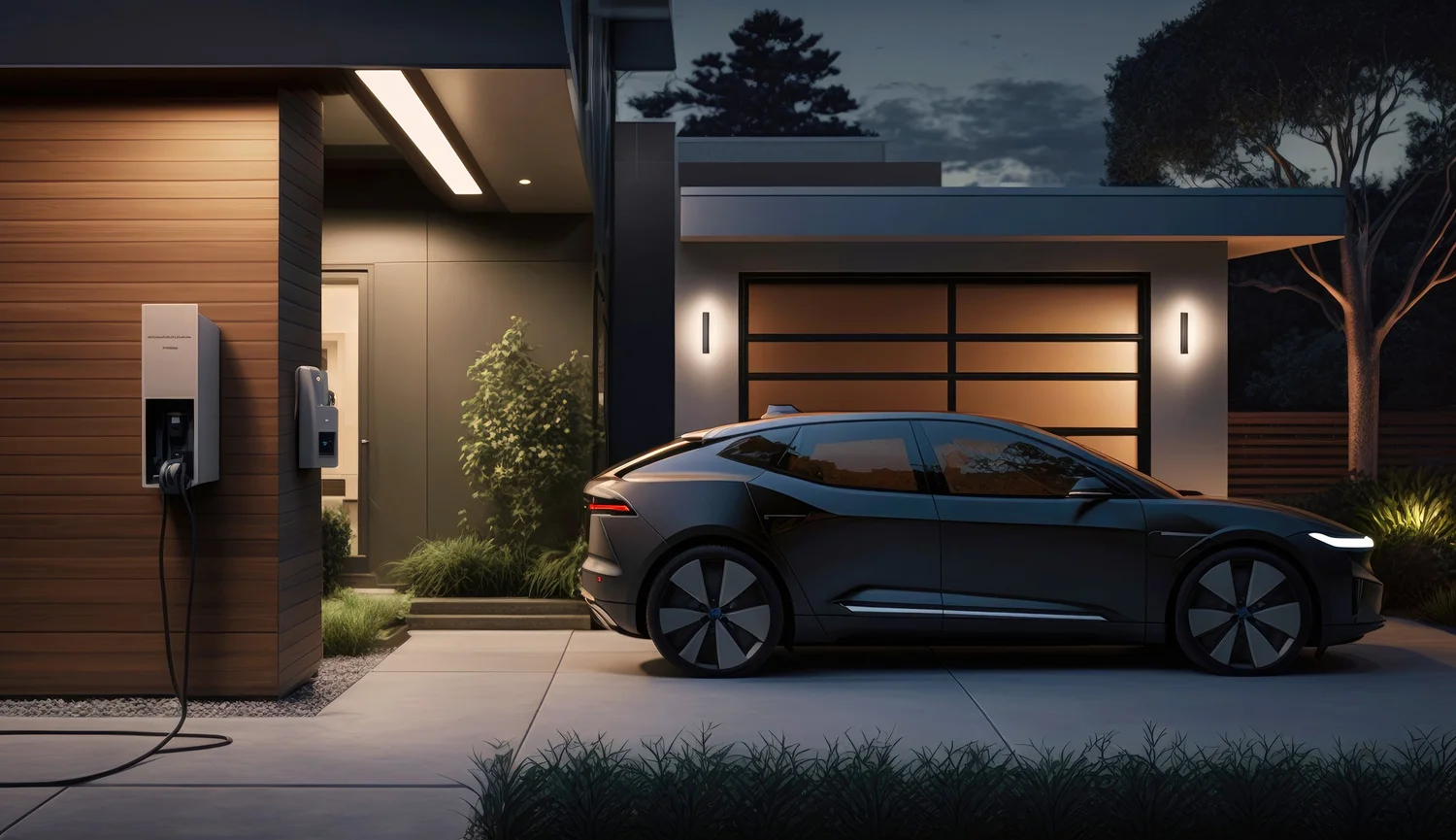
Start with your home, not a brand
Which home EV charger is right for you?
Your daily driving, parking space and electrical capacity matter more than choosing the highest power rating. Future Charging Solutions offers independent advice across a range of EV chargers, so you can choose features you will actually use.
Portable charging
A slower option for modest daily driving or backup charging. It requires a suitable circuit and an approved portable charger compatible with your vehicle.
Single-phase wall charger
A practical option for regular overnight charging. Choose scheduling, solar integration or load management where your home and charger support them.
Three-phase wall charger
Useful where a faster turnaround matters. Your car’s onboard AC charger can limit the rate, even when the wall charger is rated at 22 kW.
Power figures are indicative maximums. Available supply, installation settings, load management and your vehicle determine the actual charging rate.
A little planning goes a long way
How long will home charging take?
Most days, you are topping up what you have used — not charging an empty battery. Start with the energy you want to add and compare your options.
- Match the car and the charger.The lower of the charger output and your vehicle’s AC charging limit sets the theoretical maximum.
- Think about when you park.An overnight charging window may be more useful than paying for capacity your car cannot use.
- Allow for real-world conditions.Charging losses, battery temperature and household load can increase the time.
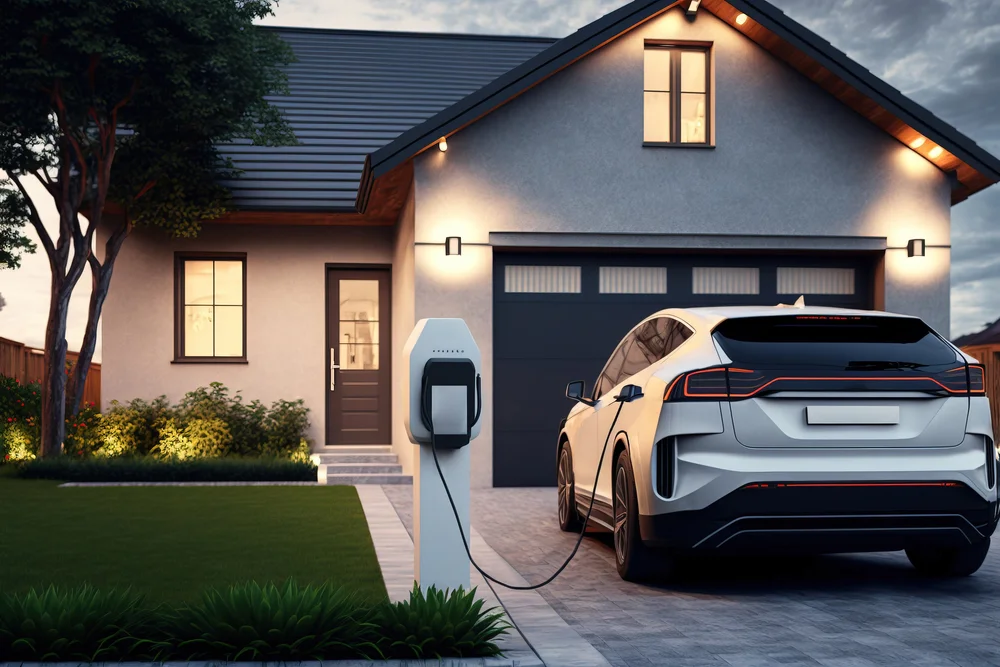
Make more of your energy
Home EV charging that works with your solar.
Have rooftop solar, a home battery or plans to add them? Choose a charging setup that can work with your energy system.
- Use available solar generation.A compatible charger can adjust to surplus solar rather than drawing a fixed amount from the grid.
- Schedule around your routine.Set charging for sunny hours or a suitable electricity tariff, depending on when your car is at home.
- Plan the whole system.Solar monitoring, battery priorities and dynamic load management may require additional compatible hardware and configuration.
From first question to first charge
Home EV charger installation in Sydney, explained.
A well-planned installation starts with your property and your vehicle. We help you understand the proposed setup, what is included and any additional work before installation.
Understand your home
Review your EV model, parking location, switchboard, power supply and any existing solar or battery system.
Choose a suitable solution
Compare the charger, connection type, cable reach and smart features. Receive a quote based on the installation requirements.
Install and test
A licensed electrician completes the agreed electrical work, charger installation and testing for your property.
Get comfortable using it
Learn the everyday charging steps and any supported app or scheduling controls, with a clear point of contact for questions.
Clear scope. Informed decisions.
What affects the cost of a home EV charger?
A charger’s retail price is only one part of the total. A site-specific quote helps you compare the complete supply and installation cost.
- Charger and featuresBrand, power rating, tethered cable or socket, solar controls and connectivity.
- Electrical work and cable routeSwitchboard condition, circuit protection, available capacity, cable length and access.
- Additional requirementsLoad management, mounting, trenching or other work identified during assessment.
Leading brands. Independent advice.
Explore home EV chargers.
Three options to start the conversation. We recommend a charger around your site and charging needs, with clear advice on compatibility.
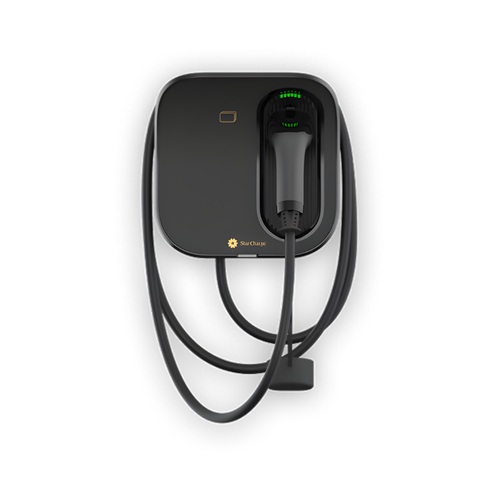
StarCharge Artemis Basic
A straightforward option to consider for a dedicated single-phase home charging setup.
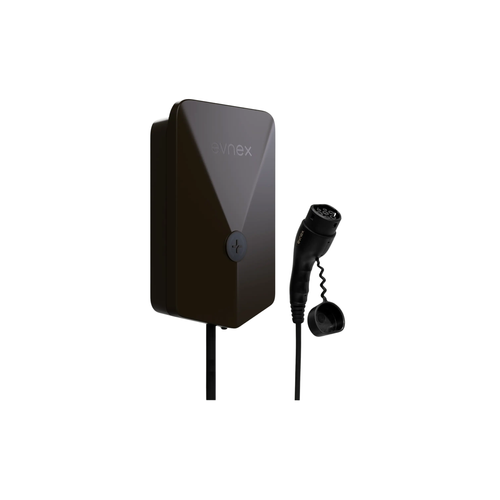
Evnex E2 Flex
A smart single-phase option for homeowners comparing everyday charging and energy controls.
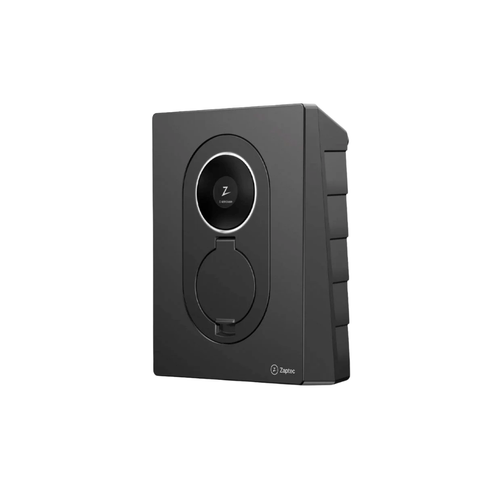
Zaptec Go 2
A compact charger with output options to suit compatible single- or three-phase installations.
Check the product page for current prices, variants, inclusions and specifications. Installed output depends on your vehicle, supply and configuration; additional smart-energy equipment may be required.
Good questions. Clear answers.
Home EV charging FAQs.
Practical answers before you choose a charger or book an installation.
Do I need three-phase power for a home EV charger?
Not necessarily. A compatible single-phase home supply can support a dedicated charger up to around 7.4 kW, subject to available capacity. Three-phase charging can offer 11–22 kW, but only where the vehicle and electrical installation support it. We assess your setup before recommending an upgrade.
How much does home EV charger installation cost in Sydney?
The total depends on your charger, cable route, distance from the switchboard, existing electrical capacity and any required upgrades. Solar controls, load management and access can also affect the price. Ask for an itemised quote that distinguishes the charger, installation and any additional work.
How long will my electric car take to charge at home?
Divide the energy you need to add in kilowatt-hours by the charging power in kilowatts. For example, 30 kWh at a steady 7.4 kW takes about 4 hours before charging losses. Actual time varies with your vehicle, battery conditions, available power and charging settings. Use the estimator above as a guide.
Can I charge my EV using rooftop solar?
Yes. Charging during solar production can use energy generated at home. A compatible solar-aware charger and monitoring equipment can adjust charging to available surplus. Your inverter, home battery, export settings and charger controls need to work together; we help check the right configuration.
What if my switchboard or home wiring is older?
An older home does not automatically need a complete electrical upgrade. A licensed electrician needs to assess the switchboard, circuit protection, wiring and spare capacity. The quote should identify any work needed to support the proposed charger safely.
Can a home charger be installed outdoors?
It can, provided the charger is rated for the proposed environment and installed according to its requirements. We consider weather exposure, mounting, cable reach, vehicle parking and a clear walking route when recommending a location.
Can I use a normal power point to charge an electric car?
Some vehicles support slow charging with an approved portable charging cable and a suitable power point. Check the vehicle instructions and have the circuit assessed for sustained charging. Do not use an extension lead or power board. A dedicated charger may better suit regular daily use.
What if I live in an apartment or strata property?
Shared parking and common electrical infrastructure need a different approach, including building approvals, capacity planning and billing arrangements. Explore our apartment EV charging solutions for guidance tailored to strata buildings.
Keep exploring
Plan your home charging with confidence.
For general guidance, visit the Australian Government’s EV charging guide.
Let’s get your home EV ready
Your car. Your home.
A charger that fits both.
Tell us about your site. We’ll help you find a suitable home charging solution.
