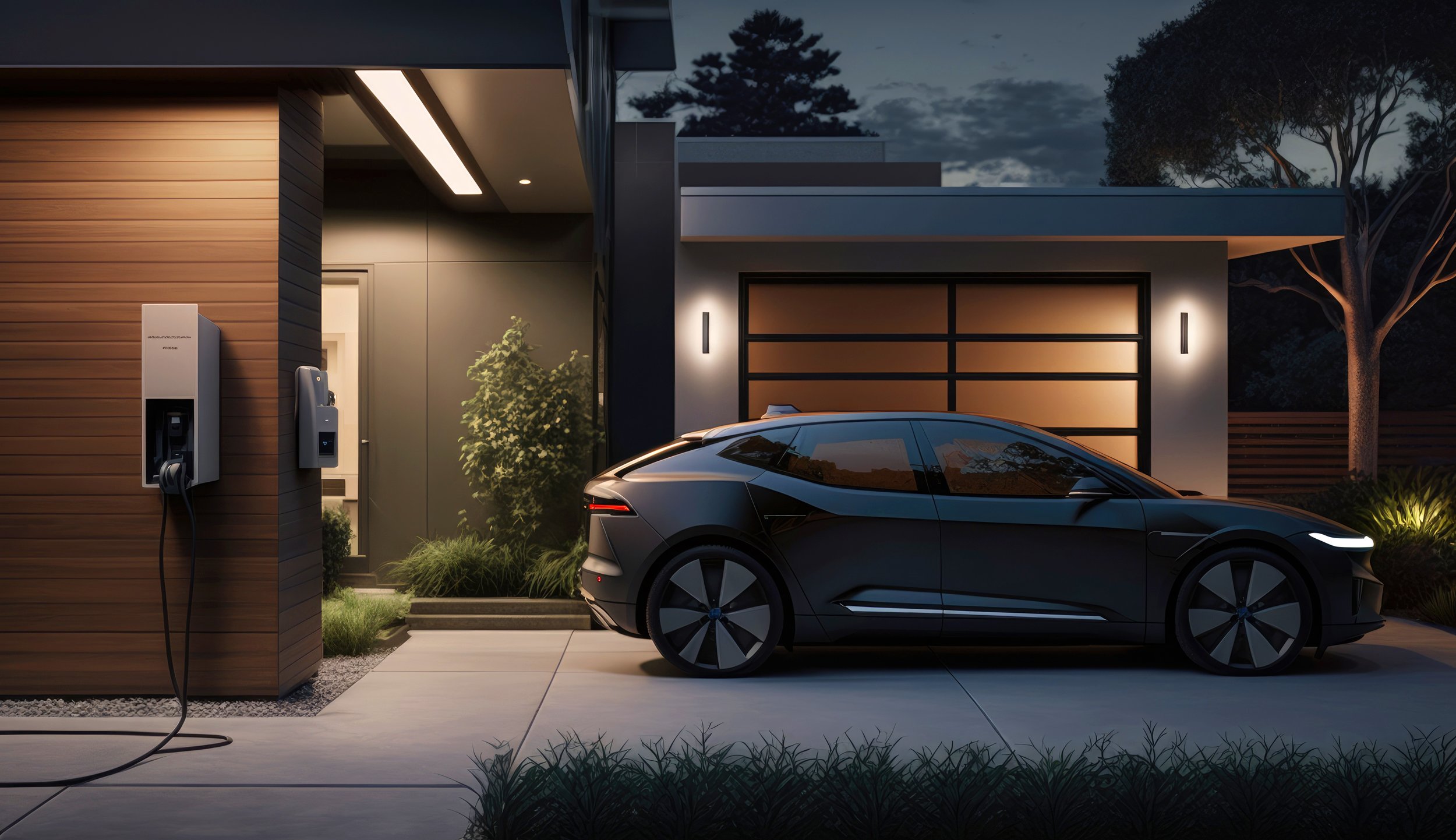
Find the Right Charger for your Home
When choosing an EV charger for your home, it's essential to consider both your vehicle type and your home's power supply. Most residential properties typically have a single-phase power supply, which is sufficient for charging many electric vehicles. However, whether you need three-phase power depends on your specific EV model and desired charging speed. While most EVs can effectively charge using a single-phase supply, certain high-end models, such as the Tesla, Polestar 2, and more, can utilize three-phase power to achieve faster charging rates. Understanding your EV's charging capabilities and consulting with an electrician can help determine the best charger for your specific needs and setup.
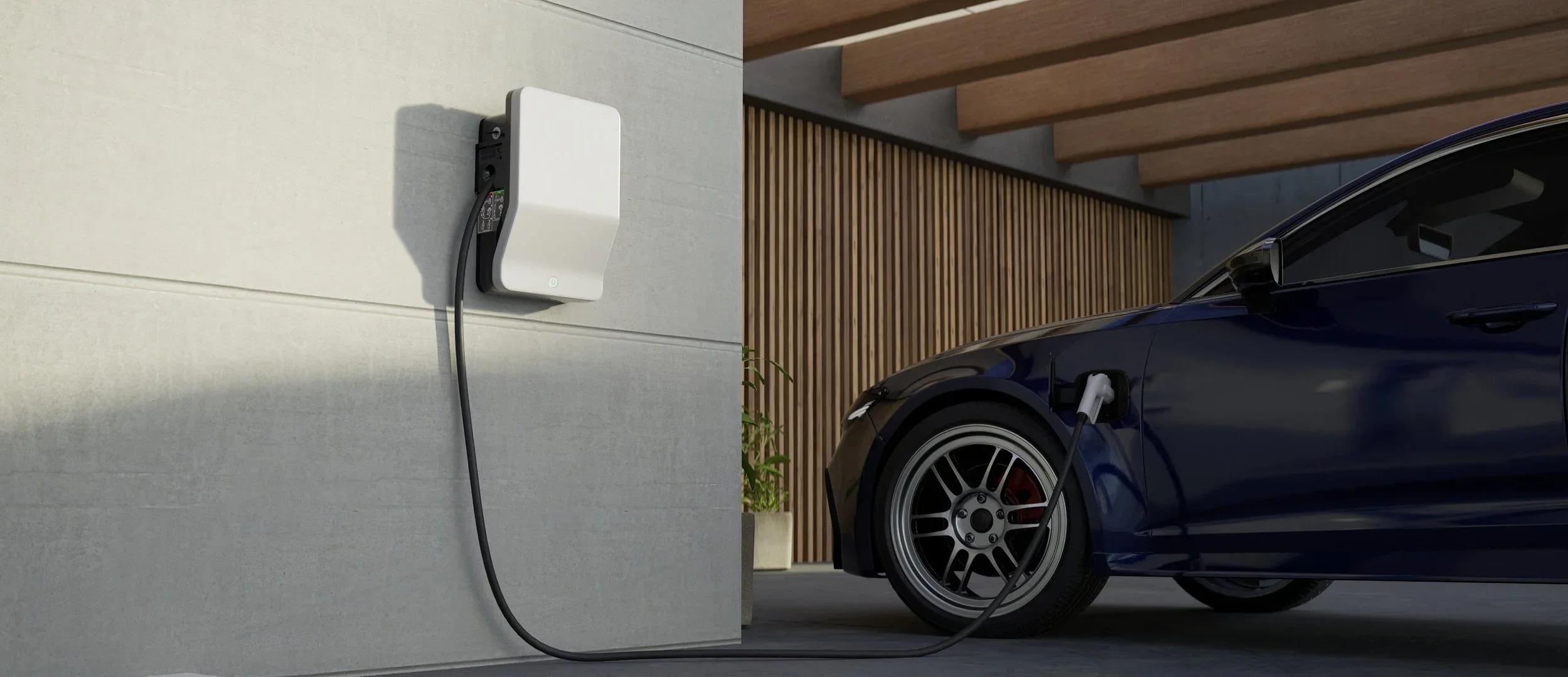
Home EV Charger Supply and Installation from $1500
Charger starting from $599:
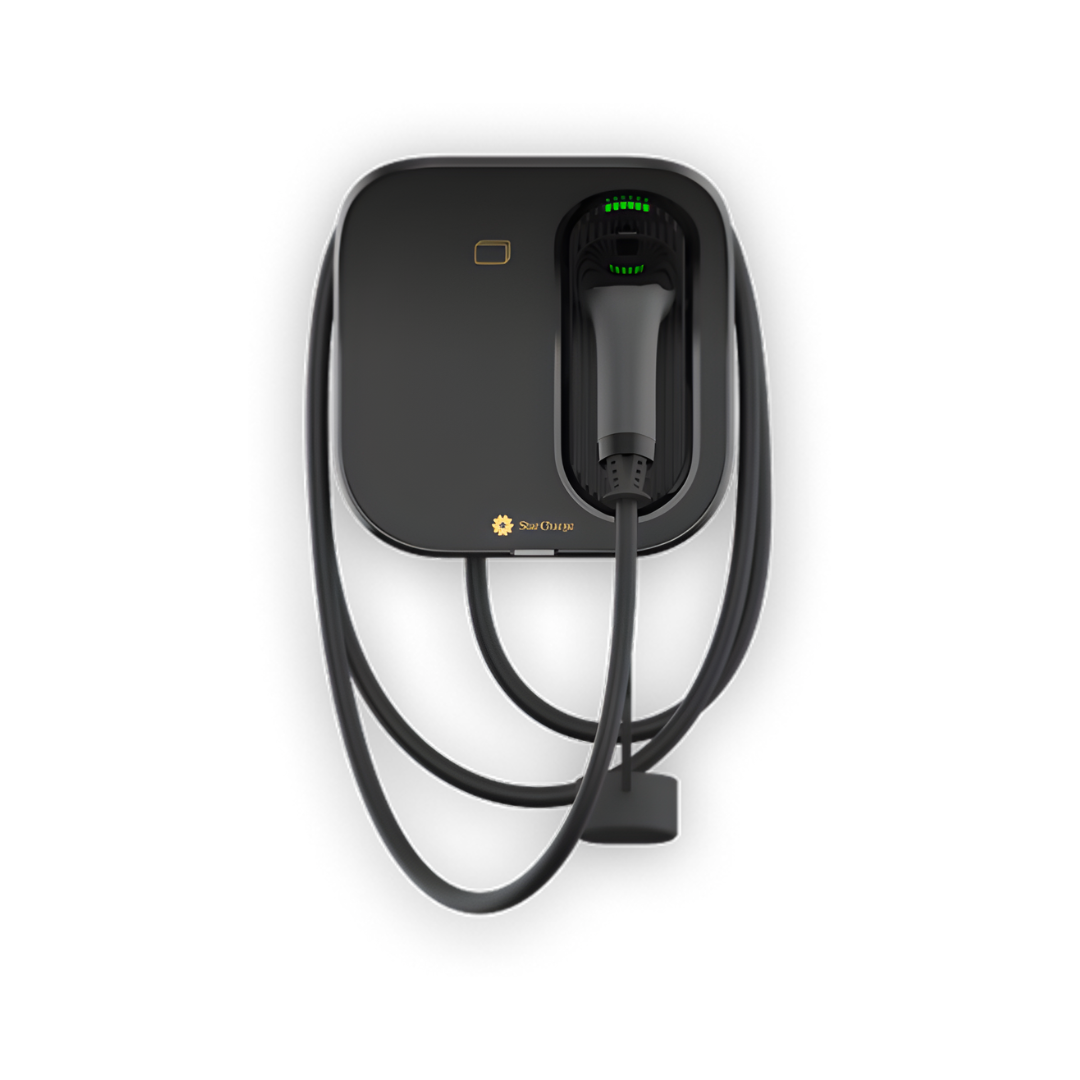
Charging Capacity 7kW (1 hour of charging delivers up to 40 km of range)
Outlet Port: Single
Input Supply: Single-Phase (32A)
Connector: Type 2
Cable: Tethered cable (5 meter)
Usage Billing: No
Compatibility: All EVs
Warranty: 2 years
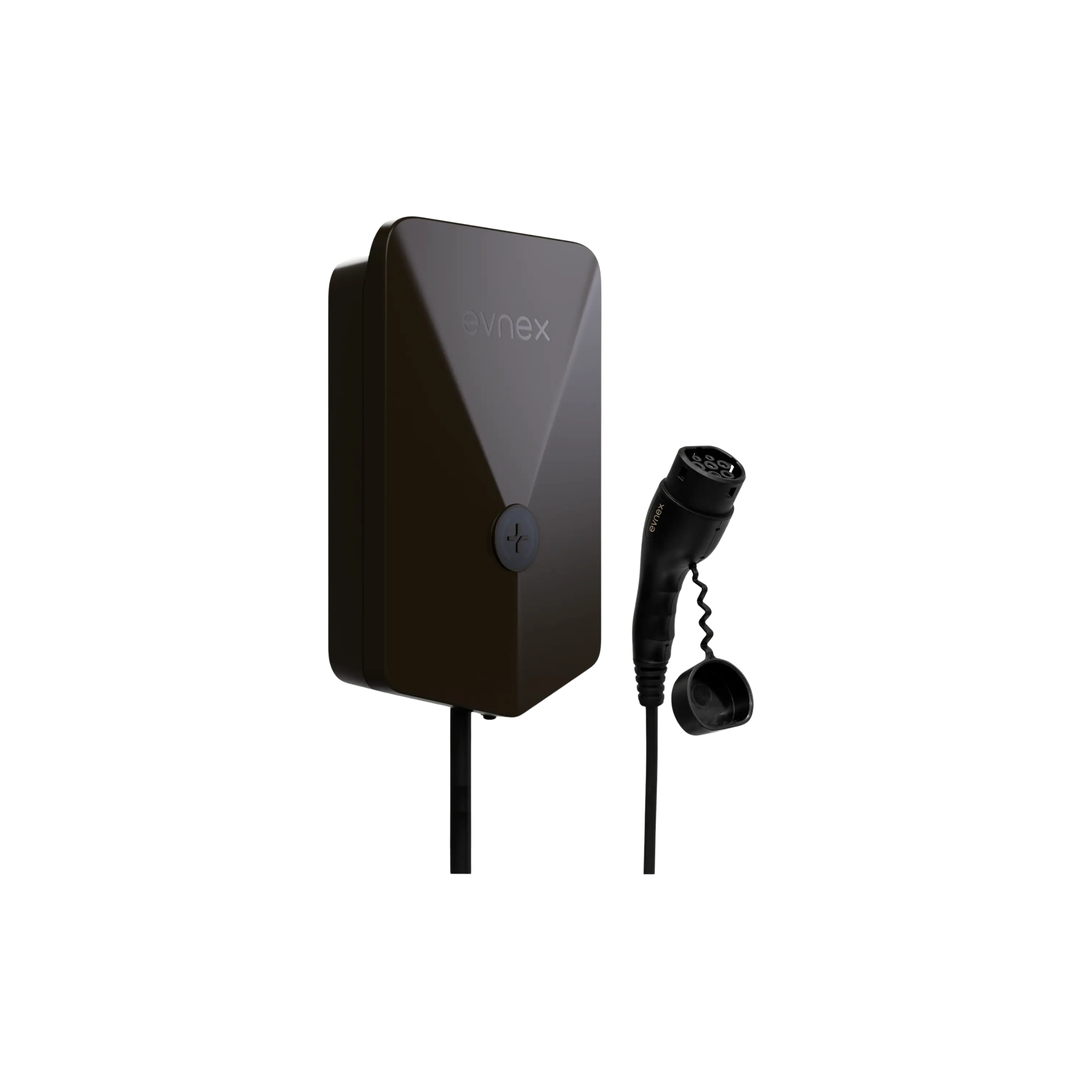
Please note that the price is only valid for the supply and installation of Evnex chargers in Sydney. For other locations, please contact us.
Charging Capacity: 7.4 kW (1 hour of charging delivers up to 50 km of range)
Outlet Port: Single
Colour: Charcoal
Input Supply: Single-Phase (32A)
Connector: Type 2 socket
Cable: Tethered cable (5 meter)
Compatibility: All EVs
Usage Billing: Not Applicable
Warranty: 4 years (for residential use); 3 years (for commercial use)
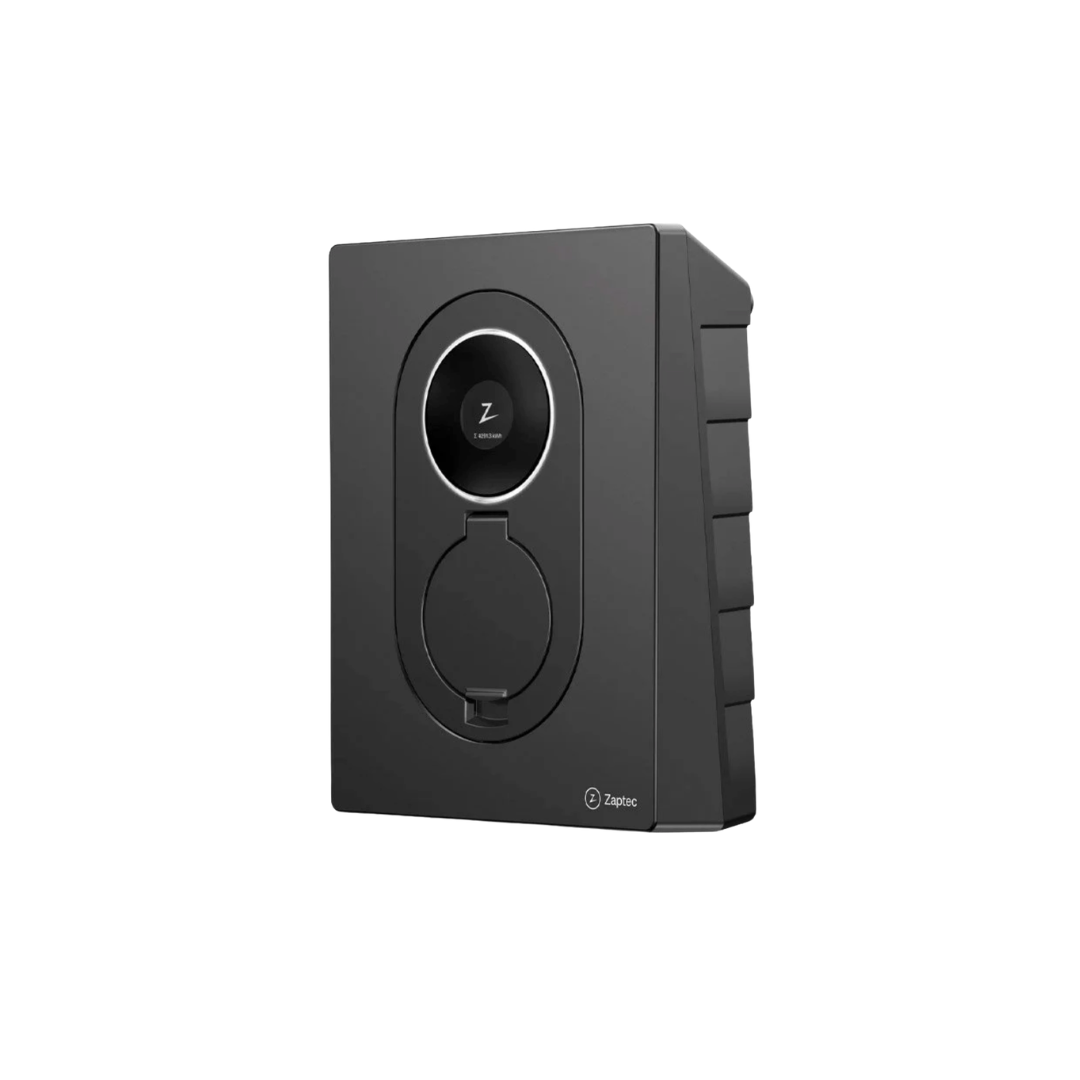
Charging Capacity: 7-22 kW (1 hour of charging delivers up to 40-120 km of range)
Outlet Port: Single
Input Supply: 7.4 kW (Single-Phase), 22 kW (Three-Phase)
Connector: Type 2 Socket
Cable: Untethered
Usage Billing: Yes
Compatibility: All EVs
Warranty: 5 years
Please allow atleast 1 business day for us to process and dispatch your order.
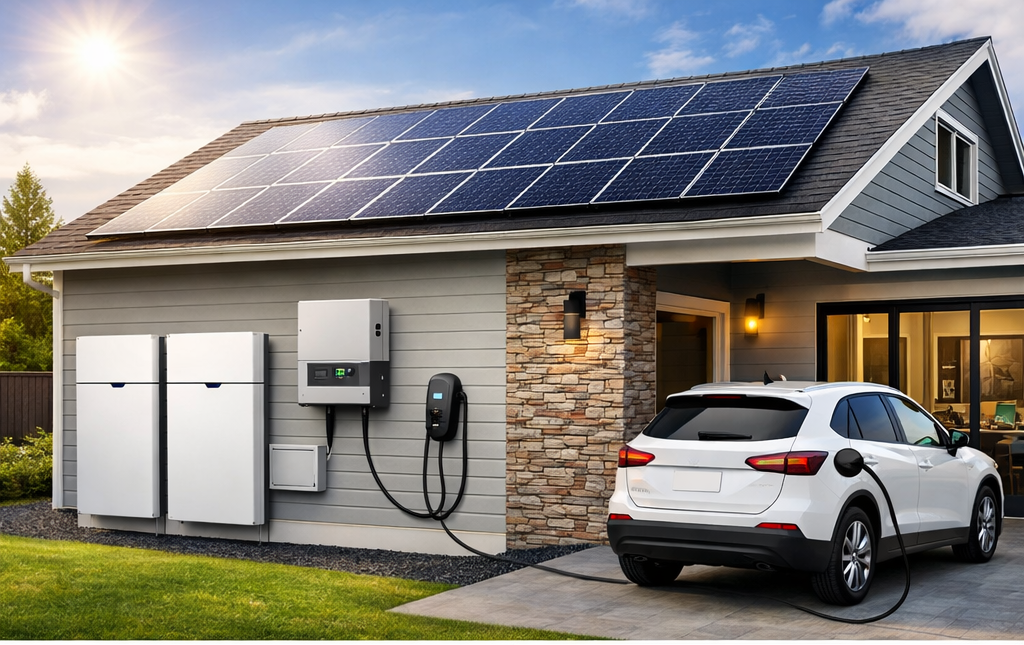
Need Solar & Battery to go with the EV charger?
Choosing the Optimal Location for Your Home EV Charger
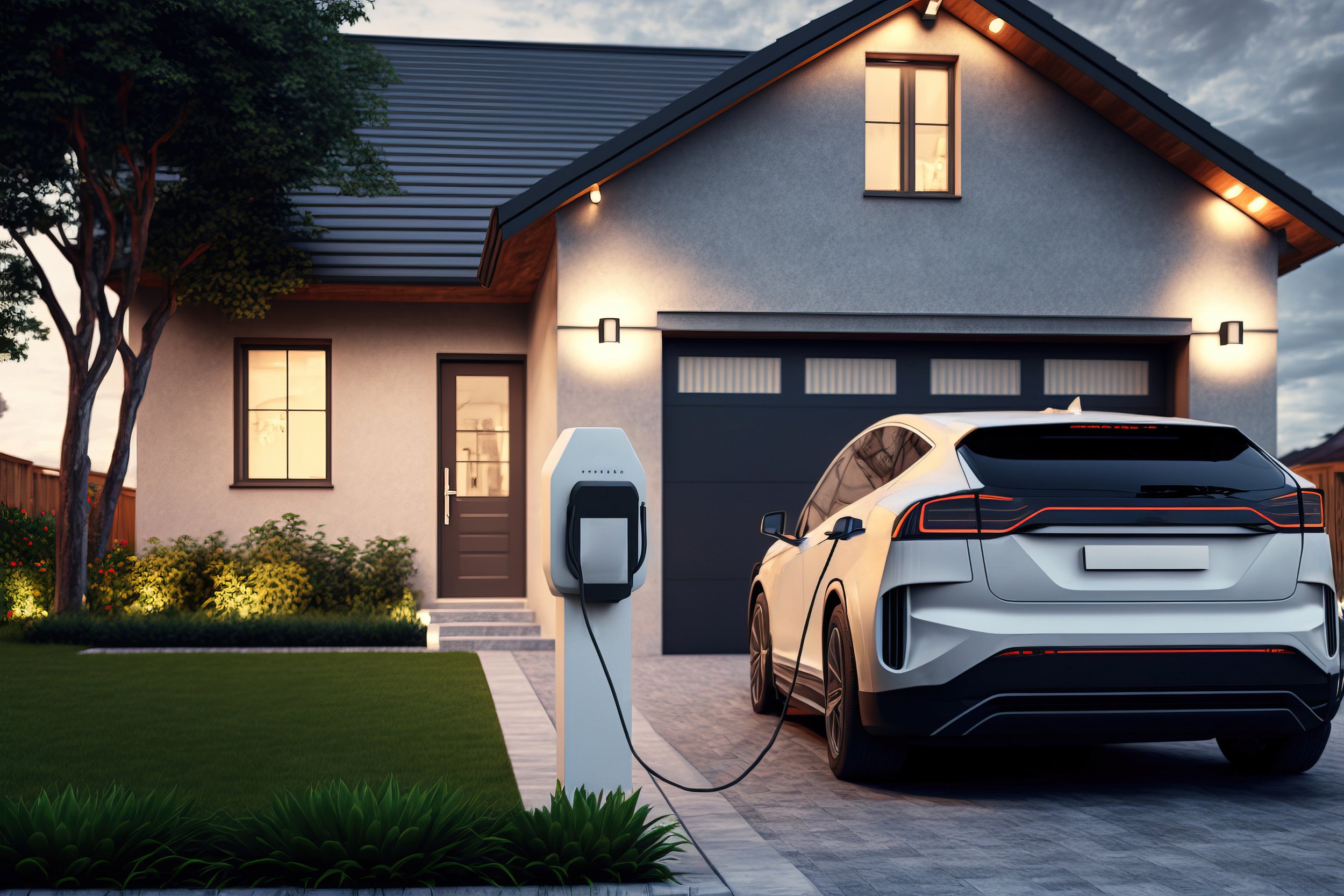
The most logical spot for a wall-mounted home charging unit is the garage or carport, but the ideal location ultimately depends on your specific needs and setup. When deciding where to install your home EV charger, consider the following factors to ensure optimal convenience and efficiency:
Charging Port Location: Match the charger location to your EV’s charging port for easy access.
Parking Habits: Position the charger based on whether you usually reverse or drive straight into the space.
Accessibility and Cable Management: Ensure the charger and cable are easily accessible and safe.
Proximity to Electrical Panel: Closer proximity reduces installation costs.
Future-Proofing: Allow space and capacity for potential future upgrades or additional EVs.
Weather Protection: For outdoor installations, choose a weatherproof location.
Integration with Solar Power: Position near your solar inverter if using renewable energy.
By carefully considering these factors, you can select the most efficient and convenient location for your home EV charger. This not only enhances the charging experience but also supports efficient charging solutions, ensuring your setup remains relevant as technology and your needs evolve.

FREQUENTLY ASKED QUESTIONS
-
One of the key factors to consider when transitioning to an EV is how and where you will charge it, especially at home. One common question that arises is whether you need to upgrade your power supply to charge an EV at home. Let’s delve into this topic to provide you with a clearer understanding.
-
As electric vehicles (EVs) become increasingly popular, many people are considering the transition to cleaner and more sustainable transportation options. However, for those with older homes, the question of whether their house wiring can support EV charging may arise.
-
The time it takes to charge an electric car varies depending on the charging method, battery capacity, and charger compatibility. Level 1 charging is the slowest but can be convenient for overnight charging at home. Level 2 charging offers faster speeds and is suitable for daily charging needs. Level 3 DC fast charging provides the quickest charging times and is ideal for long-distance travel.
-
As electric vehicles (EVs) continue to gain popularity, one of the most important decisions EV owners face is selecting the right charger for their vehicle. With various types of chargers available on the market, each offering different charging speeds and capabilities, it's essential to understand your options to make an informed decision. In this article, we'll explore the different types of EV chargers and help you determine which one is best suited for your needs.
-
Charging electric cars with solar energy offers a sustainable, cost-effective, and environmentally friendly solution to power transportation. By harnessing the power of the sun, EV owners can reduce their carbon footprint, save money on energy costs, and achieve greater energy independence.
Awards, Accreditations & Industry Memberships